The financial landscape today is governed by increasingly stringent anti-money laundering (AML) mandates, and regulators expect institutions to demonstrate not only policy existence but active, verifiable compliance. One of the most effective ways to bridge the gap between policy documentation and real-world application is through an AML check mock regulatory exam. This simulated assessment mirrors the rigor of actual regulatory scrutiny, allowing compliance teams to identify gaps, test internal controls, and refine procedures before a formal examination occurs. In this comprehensive guide, we explore the anatomy of a mock regulatory exam, strategic preparation methods, common pitfalls, and how to leverage these assessments for continuous improvement in your AML framework.
Understanding the Purpose and Scope of an AML Check Mock Regulatory Exam
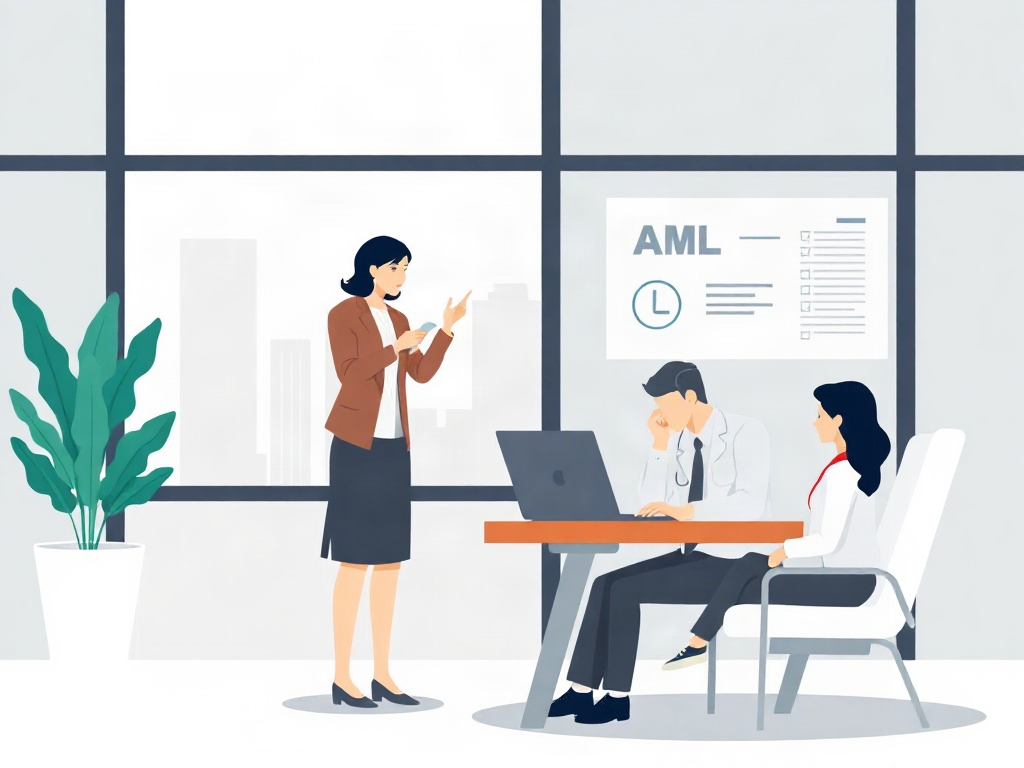
Before diving into preparation strategies, it is essential to understand what an AML check mock regulatory exam entails and why it has become a cornerstone of modern compliance training. Unlike a generic internal audit, a mock regulatory exam is designed to replicate the exact procedures, questioning techniques, and documentation review processes that a government regulator or supervisory body would employ during a formal examination. The goal is not to pass or fail in a punitive sense, but to expose weaknesses, validate the effectiveness of your AML program, and ensure that staff at all levels are prepared to respond accurately and confidently under pressure.
A typical mock exam covers several core domains, including customer due diligence (CDD), transaction monitoring alerts, suspicious activity reporting (SAR) filings, risk assessment methodologies, and the adequacy of AML training programs. By simulating these areas, the exam provides a holistic view of your institution’s compliance health and highlights areas that may require immediate attention or long-term strategic investment.
Core Domains Assessed
- Customer Identification and Verification: Evaluation of KYC processes, beneficial ownership identification, and risk-based customer profiling.
- Transaction Monitoring: Assessment of alert generation, false positive rates, and the effectiveness of rule-based and analytics-driven monitoring systems.
- Suspicious Activity Reporting: Review of SAR timeliness, quality of narrative content, and coordination between front-line staff and compliance officers.
- Risk-Based Approach (RBA): Verification that risk assessments are current, documented, and aligned with the institution’s customer base and geographic exposure.
- AML Training and Awareness: Examination of training records, curriculum relevance, and evidence of ongoing education for new hires and tenured employees.
Key Benefits of Conducting Regular Mock Regulatory Exams
Institutions that integrate an AML check mock regulatory exam into their compliance calendar reap multiple strategic advantages. First and foremost, these exams serve as a proactive risk mitigation tool. By identifying deficiencies before a real regulator walks through the door, compliance teams can correct course, update policies, and reinforce controls without the added stress of formal findings or potential enforcement actions.
Second, mock exams foster a culture of accountability and continuous improvement. When staff know that periodic simulations will occur, they are more likely to maintain meticulous records, adhere to procedures, and engage actively in AML training. This cultural shift often translates into stronger overall compliance performance and a more resilient risk management framework.
Third, these assessments provide valuable data for senior management and board reporting. Quantitative metrics—such as the percentage of identified gaps, resolution timelines, and trend analysis across multiple mock exams—offer leadership a clear picture of the institution’s AML maturity and the effectiveness of recent investments in technology or personnel.
Measurable Outcomes
- Reduced mean time to remediate identified weaknesses.
- Increased SAR filing accuracy and timeliness.
- Enhanced staff competency and confidence in handling regulatory inquiries.
- Data-driven justification for budget allocations toward AML technology or staffing.
Strategic Preparation: Building a Robust Mock Exam Framework
Successfully navigating an AML check mock regulatory exam requires more than last-minute cramming; it demands a structured, ongoing preparation framework. The most effective approach begins with a comprehensive self-assessment using the same criteria a regulator would apply. This includes reviewing your AML program manual, examining sample customer files, testing transaction monitoring alerts, and evaluating the quality of recent SAR submissions.
One of the most critical steps is assembling a cross-functional examination team. While the compliance department leads the effort, incorporating representatives from internal audit, legal, risk management, and even selected branch managers provides diverse perspectives and ensures that the mock exam reflects the institution’s actual operational reality. This collaborative approach also helps break down silos and promotes a unified understanding of AML expectations across the organization.
Step-by-Step Preparation Checklist
- Documentation Review: Ensure all AML policies, procedures, and risk assessments are current, signed, and easily accessible. Verify that version control is clear and that any recent regulatory updates have been incorporated.
- Data Integrity Check: Audit the completeness and accuracy of customer profiles, transaction histories, and alert logs. Identify and remediate duplicate entries, missing data points, or outdated risk ratings.
- Scenario Development: Create realistic case studies that mirror typical regulatory inquiry scenarios, such as high-value cross-border transfers, structuring red flags, or relationships with high-risk jurisdictions.
- Staff Briefing: Communicate the purpose and format of the mock exam to all relevant personnel. Provide sample questions, clarify expectations, and emphasize that the goal is learning, not punishment.
- Execution and Documentation: Conduct the exam under timed, formal conditions. Record findings, note areas of non-compliance, and assign action items with clear deadlines and responsible owners.
- Post-Exam Analysis: Conduct a debrief session to review results, celebrate successes, and prioritize remediation efforts. Document lessons learned and integrate insights into your ongoing compliance improvement plan.
Common Pitfalls and How to Avoid Them
Even well-intentioned compliance programs can stumble during an AML check mock regulatory exam if certain recurring mistakes are not addressed. One of the most frequent pitfalls is outdated documentation. Regulators expect to see policies that not only exist on paper but are actively enforced and periodically revised. If your AML manual has not been updated to reflect recent changes in FATF recommendations or local legislation, it will likely be flagged as a significant deficiency.
Another common issue is the over-reliance on automated systems without adequate human oversight. While transaction monitoring software is a vital component of any AML program, regulators will scrutinize the logic, alert disposition processes, and the institution’s approach to investigating and closing alerts. A mock exam may reveal that your team is closing alerts based solely on system flags without performing the necessary qualitative analysis, a practice that can lead to compliance gaps and increased risk.
Inadequate training records are also a frequent finding. Simply having a training curriculum is not enough; regulators look for evidence of comprehension, participation, and periodic refreshers. Ensure that training logs include attendee signatures, session dates, topics covered, and any assessments or certifications earned. Additionally, training should be tailored to specific roles—front-line staff, compliance officers, and management each have distinct responsibilities and knowledge requirements.
Addressing Pitfalls Proactively
- Schedule quarterly policy reviews and maintain a change log documenting who approved updates and why.
- Implement a dual-review system for alert investigations, combining automated scoring with manual expert assessment.
- Conduct role-specific training at least annually, with supplemental micro-learning modules for emerging risks.
- Perform internal “dry runs” between formal mock exams to keep skills sharp and procedures fresh.
Leveraging Technology to Enhance Mock Exam Effectiveness
Modern compliance teams are increasingly turning to technology to streamline the AML check mock regulatory exam process and achieve more meaningful insights. Compliance management platforms (CMPs) offer centralized document repositories, automated audit trails, and configurable workflows that can simulate regulatory review conditions. These tools not only reduce the administrative burden of organizing mock exams but also provide real-time analytics on compliance metrics, making it easier to track progress over time.
Advanced analytics and machine learning models can further enhance the realism of a mock exam by generating realistic transaction datasets, simulating alert volumes, and identifying patterns that may not be apparent through manual review. When integrated with your institution’s actual monitoring systems, these technologies can provide a seamless transition from simulation to real-world application, ensuring that your team is prepared for the complexities of modern AML scrutiny.
Technology Integration Best Practices
- Use a compliance CMP to store all mock exam findings, corrective actions, and follow-up documentation in a searchable format.
- Leverage data visualization tools to create dashboards that display key AML metrics, trend lines, and remediation status.
- Incorporate sandbox environments where staff can practice SAR writing, case documentation, and alert investigation without risking real customer data.
- Ensure any third-party technology complies with data privacy regulations and includes appropriate safeguards for sensitive customer information.
Integrating Mock Exam Insights into Your Overall AML Strategy
The true value of an AML check mock regulatory exam is realized when its findings are systematically integrated into your institution’s broader AML strategy. Rather than treating each mock exam as a standalone event, savvy compliance leaders use the results to inform policy revisions, technology investments, training roadmaps, and risk appetite discussions with the board. This strategic integration ensures that each simulation contributes to long-term resilience and regulatory readiness.
Begin by establishing a formal corrective action tracking system. Every finding from a mock exam should be assigned a priority level, a responsible owner, and a target completion date. Regular status reviews—monthly or quarterly—keep remediation efforts on track and demonstrate to regulators that your institution takes a proactive, organized approach to compliance improvement.
Additionally, use mock exam data to refine your risk assessment methodology. If simulations consistently reveal weaknesses in a particular product line, geographic region, or customer segment, adjust your RBA framework to allocate more resources and scrutiny to those areas. This dynamic, data-driven approach not only strengthens your AML program but also positions your institution as a model of compliance excellence in the eyes of regulators and stakeholders alike.
Creating a Continuous Improvement Loop
- Conduct mock exam → Identify gaps → Document findings.
- Implement corrective actions → Monitor progress → Verify effectiveness.
- Re-assess after remediation → Measure improvement → Update policies and procedures.
- Repeat cycle annually or semi-annually, aligning with regulatory examination cycles.
Conclusion: Making the AML Check Mock Regulatory Exam a Cornerstone of Compliance Excellence
In an era where regulatory expectations continue to evolve and the cost of non-compliance grows exponentially, the AML check mock regulatory exam stands out as an indispensable tool for any institution committed to maintaining a robust anti-money laundering program. By replicating the rigor of formal regulatory scrutiny in a controlled, educational environment, these exams empower compliance teams to identify weaknesses early, foster a culture of accountability, and make data-driven improvements that stand up to real-world examination. The key to maximizing their benefit lies in thorough preparation, cross-functional collaboration, systematic remediation, and strategic integration into your overall compliance framework. As you move forward, remember that the goal is not merely to "pass" a mock exam, but to continuously elevate the standard of your AML program, protect your institution’s reputation, and contribute to the global fight against financial crime. Embrace the mock exam not as a hurdle, but as a strategic partner in your journey toward compliance excellence.
Whether you are a seasoned compliance professional or newly tasked with overseeing your institution’s AML efforts, incorporating regular mock regulatory exams into your operational rhythm will yield measurable returns in risk mitigation, staff competency, and regulatory confidence. Start planning your first—or next—AML check mock regulatory exam today, and take a decisive step toward a more resilient, responsive, and respected anti-money laundering program.
Thank you for exploring this comprehensive guide on the AML check mock regulatory exam. We hope the insights, strategies, and best practices shared here serve as a valuable resource as you navigate the complexities of anti-money laundering compliance. For further reading, consider diving into specific regulatory guidelines such as the FATF Recommendations, FinCEN’s BSA/AML manual, or your local supervisory body’s examination manuals. Stay informed, stay prepared, and continue building a compliance culture that truly makes a difference.

AML Check Mock Regulatory Exam: A Digital Assets Strategist's Guide to Compliance
As a quantitative analyst bridging traditional finance and the rapidly evolving cryptocurrency ecosystem, I view the AML check mock regulatory exam not merely as a compliance checkpoint, but as a strategic stress test for market participants operating at the intersection of innovation and regulation. The exam's structure—spanning know-your-customer protocols, transaction monitoring thresholds, and sanctions screening—mirrors the rigorous scrutiny that institutional capital increasingly demands before allocating digital asset exposure. My background in portfolio optimization and market microstructure informs how I assess risk parameters, liquidity impacts, and operational readiness when navigating these compliance frameworks.
From a practical standpoint, the mock exam serves as a sandbox for validating on-chain analytics capabilities against off-chain regulatory expectations. I emphasize the importance of aligning real-time transaction monitoring with immutable ledger data, ensuring that AML triggers are both precise and adaptable to evolving jurisdictional rules. The integration of quantitative models to distinguish between legitimate privacy-enhanced transactions and illicit flow patterns is where the true value of such an exercise emerges, particularly for firms seeking to maintain alpha generation while satisfying regulatory due diligence.
In conclusion, passing the AML check mock regulatory exam requires more than rote memorization.
AML Check Mock Regulatory Exam: A Digital Assets Strategist's Guide to Compliance
As a quantitative analyst bridging traditional finance and the rapidly evolving cryptocurrency ecosystem, I view the AML check mock regulatory exam not merely as a compliance checkpoint, but as a strategic stress test for market participants operating at the intersection of innovation and regulation. The exam's structure—spanning know-your-customer protocols, transaction monitoring thresholds, and sanctions screening—mirrors the rigorous scrutiny that institutional capital increasingly demands before allocating digital asset exposure. My background in portfolio optimization and market microstructure informs how I assess risk parameters, liquidity impacts, and operational readiness when navigating these compliance frameworks.
From a practical standpoint, the mock exam serves as a sandbox for validating on-chain analytics capabilities against off-chain regulatory expectations. I emphasize the importance of aligning real-time transaction monitoring with immutable ledger data, ensuring that AML triggers are both precise and adaptable to evolving jurisdictional rules. The integration of quantitative models to distinguish between legitimate privacy-enhanced transactions and illicit flow patterns is where the true value of such an exercise emerges, particularly for firms seeking to maintain alpha generation while satisfying regulatory due diligence.
In conclusion, passing the AML check mock regulatory exam requires more than rote memorization of compliance checklists; it demands a holistic understanding of how market dynamics, technology, and regulatory intent converge. For digital asset strategists, the insights gained should inform robust risk governance frameworks, enhance on-chain monitoring precision, and ultimately support the sustainable integration of cryptocurrency markets into the broader financial system. I recommend treating each mock scenario as a feedback loop, iteratively refining both operational processes and quantitative models to stay ahead of regulatory curvature.