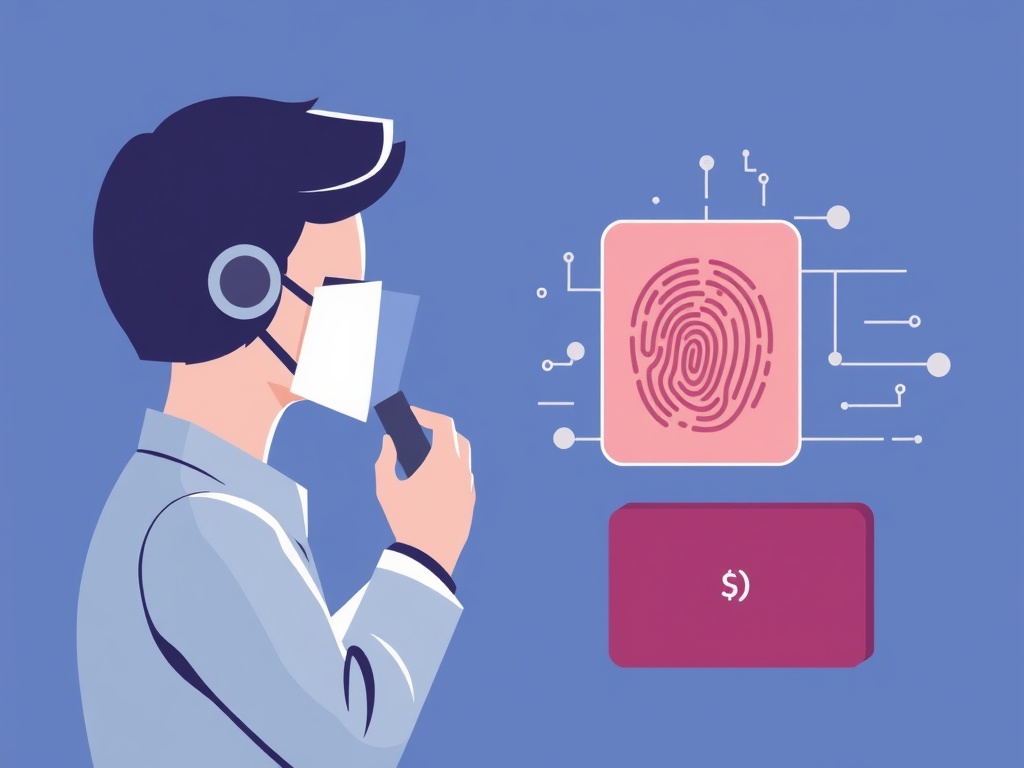
In today's rapidly evolving digital landscape, financial institutions, fintech companies, and online service providers face an ever-growing challenge: combating identity fraud while ensuring seamless user onboarding. One of the most effective solutions to this problem is the AML check active liveness technology—a sophisticated approach that combines anti-money laundering (AML) compliance with biometric verification to authenticate users in real time. This article explores the intricacies of AML check active liveness, its benefits, implementation challenges, and best practices for businesses looking to enhance their security frameworks.
The Importance of AML Check Active Liveness in Modern Compliance
Financial crimes such as money laundering, identity theft, and synthetic fraud have surged with the digitalization of banking and e-commerce. Traditional identity verification methods, including document checks and static biometrics, are no longer sufficient to thwart sophisticated fraudsters. This is where AML check active liveness comes into play, offering a dynamic and secure way to verify user identities.
Why Traditional AML Checks Fall Short
Most AML compliance systems rely on static data—such as government-issued IDs, utility bills, or credit reports—to verify identities. While these methods provide a baseline level of security, they are vulnerable to:
- Spoofing attacks: Fraudsters use high-quality photos, videos, or even 3D masks to impersonate legitimate users.
- Synthetic identities: Criminals combine real and fake information to create entirely new identities that bypass traditional checks.
- Man-in-the-middle (MITM) attacks: Hackers intercept verification processes to manipulate results.
An AML check active liveness system addresses these vulnerabilities by requiring users to perform real-time actions that prove they are physically present and not using spoofed media.
The Role of Active Liveness in AML Compliance
Active liveness detection goes beyond passive biometric verification (e.g., fingerprint scans) by prompting users to engage in specific behaviors that confirm their authenticity. Common techniques include:
- Facial movement challenges: Users must blink, smile, or turn their head in a prescribed manner.
- Randomized prompts: The system generates unpredictable requests (e.g., "Look up," "Tilt your head left") to prevent pre-recorded video attacks.
- Environmental cues: Background noise, lighting changes, or device sensor data (e.g., gyroscope, accelerometer) are analyzed to detect anomalies.
When integrated with AML checks, this technology ensures that the person undergoing verification is not only who they claim to be but also physically present during the process. This dual-layered approach significantly reduces the risk of fraud while maintaining regulatory compliance.
How AML Check Active Liveness Works: A Step-by-Step Breakdown
Implementing an AML check active liveness system involves several key components working in tandem. Below is a detailed breakdown of the process:
1. User Initiation and Document Submission
The process begins when a user initiates an identity verification request, typically during account opening or a high-risk transaction. The user is prompted to:
- Submit a government-issued ID (passport, driver’s license, national ID).
- Provide a live selfie or video capture via a webcam or mobile device.
At this stage, the system performs initial checks to ensure the document is valid and not tampered with (e.g., checking holograms, microtext, or UV features).
2. Biometric Enrollment and Liveness Detection
Once the document is verified, the system proceeds to biometric enrollment and liveness detection:
- Facial Recognition: The user’s live facial data is captured and compared against the photo on their ID.
- Active Liveness Challenges: The system issues randomized prompts (e.g., "Turn your head slowly to the right") to ensure the user is physically present.
- Spoof Detection: Advanced algorithms analyze micro-expressions, skin texture, and depth data to detect masks, photos, or deepfake videos.
If the user fails to comply with the liveness challenges or the system detects anomalies, the verification process is flagged for manual review or rejection.
3. AML Screening and Risk Assessment
After confirming the user’s identity through biometrics, the system cross-references their details against global AML databases, sanctions lists, and adverse media reports. Key steps include:
- PEP and Sanctions Screening: Checks against Politically Exposed Persons (PEP) lists and government sanctions databases.
- Transaction Monitoring: Analyzes the user’s intended transactions for suspicious patterns (e.g., large cash deposits, frequent transfers to high-risk jurisdictions).
- Enhanced Due Diligence (EDD): For high-risk users, additional verification steps (e.g., source of funds verification) may be required.
This AML screening ensures that the user is not involved in illicit activities, aligning with regulations such as the Bank Secrecy Act (BSA), Fifth Anti-Money Laundering Directive (5AMLD), or Financial Action Task Force (FATF) guidelines.
4. Real-Time Decision and User Feedback
The final step involves rendering a real-time decision based on the combined results of the AML check active liveness process:
- Approved: If all checks pass, the user is granted access or their transaction is processed.
- Rejected: If liveness detection fails or AML screening flags risks, the user is prompted to provide additional verification or is denied access.
- Manual Review: For borderline cases, the system may escalate the verification to a human reviewer for further analysis.
Users receive immediate feedback, enhancing transparency and trust in the verification process.
Key Benefits of Implementing AML Check Active Liveness
Adopting an AML check active liveness system offers numerous advantages for businesses, regulators, and end-users alike. Below are the most significant benefits:
1. Enhanced Fraud Prevention
Active liveness detection is highly effective against:
- Deepfake and replay attacks: Randomized challenges make it nearly impossible for fraudsters to use pre-recorded videos or AI-generated faces.
- Synthetic identities: By requiring real-time interaction, the system ensures the user is a real person with a verifiable identity.
- Account takeover (ATO) fraud: Prevents criminals from hijacking existing accounts by impersonating legitimate users.
According to a Juniper Research report, biometric authentication methods, including active liveness, can reduce fraud losses by up to 90% compared to traditional methods.
2. Regulatory Compliance and Reduced Penalties
Financial institutions are subject to stringent AML regulations, and non-compliance can result in hefty fines. An AML check active liveness system helps businesses:
- Meet Know Your Customer (KYC) and Customer Due Diligence (CDD) requirements.
- Demonstrate adherence to FATF Recommendations and regional AML laws (e.g., 6AMLD in the EU).
- Automate record-keeping for audits, reducing manual compliance efforts.
For example, in 2023, a major European bank was fined €10 million for inadequate AML controls. Implementing an AML check active liveness system could have mitigated this risk.
3. Improved User Experience and Conversion Rates
While security is paramount, businesses must also prioritize a seamless user experience. Active liveness detection strikes a balance by:
- Reducing false positives: Fewer legitimate users are flagged for manual reviews, leading to faster onboarding.
- Minimizing friction: Unlike cumbersome multi-factor authentication (MFA) methods, active liveness challenges are quick and intuitive.
- Increasing trust: Users feel more confident knowing their identity is protected by cutting-edge technology.
A McKinsey & Company study found that businesses using biometric authentication saw a 20% increase in customer conversion rates due to reduced abandonment during onboarding.
4. Cost Savings and Operational Efficiency
Automating the AML check active liveness process reduces reliance on manual verification teams, leading to:
- Lower labor costs: Fewer employees are needed to review suspicious cases.
- Faster processing times: Real-time decisions eliminate delays in customer onboarding.
- Scalability: The system can handle high volumes of verification requests without compromising accuracy.
For instance, a global fintech company reported a 40% reduction in operational costs after implementing an automated AML check active liveness solution.
Challenges and Considerations in Deploying AML Check Active Liveness
While the benefits of AML check active liveness are substantial, businesses must also navigate several challenges during implementation. Understanding these hurdles is crucial for a successful deployment.
1. Technology Limitations and False Positives
Despite advancements, active liveness detection systems are not infallible. Common issues include:
- Environmental factors: Poor lighting, background clutter, or user disabilities (e.g., visual impairments) can affect accuracy.
- False rejections: Legitimate users may struggle with certain challenges (e.g., elderly individuals or those with limited mobility).
- Bias in algorithms: Some systems may perform poorly for certain ethnicities or skin tones due to biased training data.
To mitigate these risks, businesses should:
- Choose vendors with diverse training datasets.
- Implement fallback mechanisms (e.g., alternative verification methods for users who fail liveness challenges).
- Continuously update algorithms to improve accuracy.
2. Integration with Existing Systems
Many organizations already have KYC/AML workflows in place, and integrating a new AML check active liveness system can be complex. Key considerations include:
- API compatibility: The solution must seamlessly connect with existing databases, CRM systems, and compliance tools.
- Data privacy: Compliance with GDPR, CCPA, and other data protection laws is essential when handling biometric data.
- Legacy system limitations: Older infrastructure may not support real-time processing, requiring upgrades.
Businesses should conduct thorough proof-of-concept (PoC) testing to ensure compatibility before full-scale deployment.
3. User Acceptance and Accessibility
While active liveness detection enhances security, it may face resistance from users who perceive it as intrusive or cumbersome. To improve acceptance:
- Educate users: Clearly explain the purpose and benefits of the technology (e.g., "This keeps your account secure from fraud").
- Offer alternatives: Provide options for users who cannot complete liveness challenges (e.g., in-person verification).
- Optimize UX: Design intuitive interfaces with clear instructions and minimal steps.
A PwC survey revealed that 68% of consumers are willing to use biometric authentication if it improves security, but only 32% find it convenient. Balancing these expectations is key to adoption.
4. Regulatory and Ethical Concerns
Biometric data is highly sensitive, and misuse can lead to legal and reputational risks. Businesses must address:
- Consent requirements: Users must explicitly agree to biometric data collection under laws like GDPR and BIPA (Illinois Biometric Information Privacy Act).
- Data storage and retention: Biometric templates should be stored securely with strict access controls.
- Ethical AI: Ensure algorithms are transparent and free from discriminatory biases.
Partnering with reputable vendors who comply with ISO/IEC 30107 (Biometric Presentation Attack Detection) and NIST standards can help mitigate these risks.
Best Practices for Implementing AML Check Active Liveness
To maximize the effectiveness of an AML check active liveness system, businesses should follow industry best practices. Below are actionable recommendations for a successful deployment:
1. Choose the Right Technology Partner
Not all AML check active liveness solutions are created equal. When selecting a vendor, consider:
- Accuracy rates: Look for systems with False Acceptance Rate (FAR) < 0.01% and False Rejection Rate (FRR) < 1%.
- Multi-modal biometrics: Solutions combining facial recognition with voice or behavioral biometrics offer higher security.
- Global compliance: Ensure the vendor supports AML regulations in your target markets (e.g., FATF, 5AMLD, BSA).
- Scalability: The system should handle peak loads without performance degradation.
Leading providers in this space include Jumio, Onfido, iProov, and Socure, each offering robust AML and liveness detection capabilities.
2. Design a Risk-Based Approach
Not all users or transactions pose the same level of risk. A risk-based approach to AML check active liveness involves:
- Tiered verification: Low-risk users (e.g., small transactions) may undergo simplified checks, while high-risk users (e.g., large transfers) require full liveness and AML screening.
- Dynamic thresholds: Adjust liveness challenge difficulty based on risk level (e.g., more prompts for high-value transactions).
- Continuous monitoring: Post-onboarding, monitor user behavior for anomalies (e.g., sudden large transactions).
This approach optimizes both security and user experience by allocating resources where they’re most needed.
3. Prioritize Data Security and Privacy
Biometric data is a prime target for cybercriminals. To protect it:
- Encrypt data in transit and at rest: Use TLS 1.3 for communications and AES-256 for storage.
- Implement zero-trust architecture: Restrict access to biometric templates to authorized personnel only.
- Regular audits: Conduct third-party security assessments to identify vulnerabilities.
- Anonymization techniques: Store biometric data as irreversible templates rather than raw images.
Compliance with ISO 27001 and SOC 2 Type II certifications can further validate a vendor’s security posture.
4. Train Staff and Monitor Performance
Even the most advanced AML check active liveness system requires human oversight. Best practices include:
- Staff training: Educate compliance teams on interpreting liveness detection results and AML alerts.
- Performance metrics: Track key indicators such as false positive rates, average verification time, and user drop-off rates.
- Feedback loops: Use user and staff feedback to refine the system continuously.
- Incident response: Develop a protocol for handling verification failures or data breaches.
A proactive approach ensures the system evolves with emerging threats and regulatory changes.
5. Stay Updated on Emerging Threats
The fraud landscape is constantly evolving, with new tactics emerging regularly. To stay ahead:
-
<

Sarah Mitchell, Blockchain Research Director
Enhancing AML Compliance with Active Liveness Checks: A Critical Evolution in Identity Verification
As a researcher deeply embedded in the evolution of distributed ledger technologies, I’ve observed firsthand how traditional Know Your Customer (KYC) and Anti-Money Laundering (AML) frameworks are being redefined by advancements in biometric authentication. The integration of AML check active liveness represents a pivotal shift—moving beyond static identity verification to dynamic, real-time authentication that mitigates the risks of spoofing and synthetic identity fraud. Active liveness detection, which verifies a user’s physical presence in real time through challenges like blinking, head movement, or micro-expressions, ensures that the individual on the other end of a transaction is not a deepfake, a photo, or a mask. This is particularly critical in decentralized finance (DeFi) and cross-border transactions, where anonymity and pseudonymity are often exploited to obscure illicit activity.
From a practical standpoint, implementing AML check active liveness within compliance workflows requires a balance between security and user experience. Financial institutions and blockchain platforms must adopt solutions that not only meet regulatory standards but also scale efficiently across global jurisdictions. For instance, pairing active liveness with AI-driven behavioral analysis can detect anomalies in user interactions, such as unnatural response patterns or inconsistencies in biometric data. However, the technology’s effectiveness hinges on continuous updates to counter evolving spoofing techniques, such as adversarial attacks on facial recognition systems. As we move toward a more interconnected financial ecosystem, the adoption of active liveness checks will be a non-negotiable component of robust AML strategies, ensuring that compliance keeps pace with the sophistication of financial crime.