In the rapidly evolving landscape of financial services, Anti-Money Laundering (AML) compliance remains a cornerstone of operational integrity. One critical area where AML checks play a pivotal role is in Over-the-Counter (OTC) trading desks, particularly when assessing the counterparty risk associated with transactions. This article delves into the intricacies of conducting an AML check for OTC desk counterparty, exploring its importance, methodologies, regulatory frameworks, and best practices for financial institutions.
OTC markets, by their nature, involve direct transactions between parties without the oversight of centralized exchanges. While this provides flexibility and privacy, it also introduces significant AML and Counter-Terrorism Financing (CTF) risks. A robust AML check for OTC desk counterparty ensures that financial institutions can mitigate these risks while maintaining compliance with global regulations such as the Bank Secrecy Act (BSA), FATF Recommendations, and EU’s 6th Anti-Money Laundering Directive (6AMLD).
This guide is designed for compliance officers, risk managers, and financial professionals seeking to enhance their understanding of AML checks in OTC trading environments. We will cover the following key areas:
- The role of OTC desks in financial markets
- Why an AML check for OTC desk counterparty is essential
- Regulatory requirements and compliance frameworks
- Step-by-step process for conducting an effective AML check
- Challenges and best practices in counterparty risk assessment
- The future of AML in OTC trading with emerging technologies
What Are OTC Desks and Why Do They Require AML Checks?
The Nature of OTC Markets
Over-the-Counter (OTC) markets facilitate the trading of financial instruments directly between two parties, bypassing centralized exchanges. Common OTC products include:
- Derivatives (swaps, forwards, options)
- Foreign exchange (FX) transactions
- Bonds and structured products
- Commodities and cryptocurrencies
Unlike exchange-traded instruments, OTC transactions are private, customizable, and often involve higher counterparty risk. This lack of transparency makes OTC markets particularly vulnerable to money laundering, fraud, and sanctions evasion.
The Role of Counterparty Risk in OTC Trading
Counterparty risk refers to the potential financial loss a party may face if the counterparty fails to meet their contractual obligations. In OTC trading, this risk is amplified due to:
- Lack of collateralization: Many OTC transactions are unsecured or undercollateralized.
- Complexity of products: Derivatives and structured products often have intricate terms that obscure true risk exposure.
- Jurisdictional differences: Counterparties may operate in high-risk jurisdictions with weak AML controls.
An AML check for OTC desk counterparty is not just about regulatory compliance—it is a critical component of risk management. By thoroughly vetting counterparties, financial institutions can:
- Prevent involvement in illicit financial activities
- Protect their reputation and avoid regulatory penalties
- Ensure the financial stability of their trading partners
Why AML Checks Are Non-Negotiable for OTC Desks
Financial institutions face severe consequences for failing to conduct proper AML checks, including:
- Regulatory fines: Authorities such as FinCEN, OFAC, and the European Banking Authority (EBA) impose hefty penalties for AML violations.
- Reputational damage: A single AML breach can erode trust among clients and investors.
- Legal liability: Institutions may be held liable for facilitating money laundering or sanctions violations.
- Operational disruptions: Regulatory actions can lead to business restrictions or forced closures.
Given these risks, an AML check for OTC desk counterparty is not optional—it is a fundamental requirement for sustainable operations.
---Regulatory Frameworks Governing AML Checks for OTC Counterparties
Global AML Regulations Impacting OTC Trading
Financial institutions must comply with a patchwork of international and domestic AML regulations. Key frameworks include:
Financial Action Task Force (FATF) Recommendations
The FATF sets global standards for AML/CTF compliance. Its recommendations require financial institutions to:
- Implement Customer Due Diligence (CDD) and Enhanced Due Diligence (EDD) for high-risk counterparties.
- Monitor transactions for suspicious activity and report to Financial Intelligence Units (FIUs).
- Maintain records of all AML checks for at least five years.
Bank Secrecy Act (BSA) and FinCEN Requirements (U.S.)
In the United States, the Bank Secrecy Act (BSA) mandates that financial institutions:
- File Currency Transaction Reports (CTRs) for transactions exceeding $10,000.
- Submit Suspicious Activity Reports (SARs) for transactions that may involve money laundering.
- Conduct ongoing monitoring of OTC counterparties for unusual activity.
EU’s 6th Anti-Money Laundering Directive (6AMLD)
The EU’s 6AMLD, which came into effect in 2020, strengthens AML requirements by:
- Expanding the definition of money laundering offenses.
- Imposing stricter penalties for non-compliance.
- Requiring firms to conduct thorough background checks on beneficial owners of counterparties.
Sanctions Compliance: A Critical Component of AML Checks
Sanctions screening is a vital part of an AML check for OTC desk counterparty. Financial institutions must ensure that their counterparties are not listed on sanctions lists such as:
- OFAC’s Specially Designated Nationals (SDN) List (U.S.)
- EU Sanctions Lists (e.g., against Russia, Iran, North Korea)
- UN Security Council Sanctions
- HM Treasury’s Sanctions List (UK)
Failure to screen against these lists can result in severe penalties, including frozen assets and criminal charges.
Jurisdictional Variations in AML Requirements
Different countries impose varying AML requirements, which can complicate compliance for global OTC desks. For example:
- Switzerland: Strict adherence to the Swiss AML Act and FINMA guidelines.
- Singapore: Compliance with the Monetary Authority of Singapore (MAS) regulations.
- China: Enforcement of the Anti-Money Laundering Law of the People’s Republic of China.
Financial institutions must stay abreast of these variations to ensure full compliance in all jurisdictions where they operate.
---Step-by-Step Process for Conducting an AML Check on OTC Counterparties
Phase 1: Initial Due Diligence and Customer Identification
The first step in an AML check for OTC desk counterparty is gathering basic information about the counterparty. This includes:
Collecting Counterparty Information
- Legal Entity Identifier (LEI): A unique 20-character code assigned to entities participating in financial markets.
- Business Registration Details: Company name, registration number, and jurisdiction of incorporation.
- Ownership Structure: Identification of beneficial owners (individuals owning more than 25% of the entity).
- Purpose of Transaction: Understanding the economic rationale behind the OTC trade.
Risk Categorization
Counterparties should be categorized based on their risk level:
- Low Risk: Regulated financial institutions in low-risk jurisdictions.
- Medium Risk: Corporates or high-net-worth individuals (HNWIs) in moderate-risk jurisdictions.
- High Risk: Entities in high-risk jurisdictions, politically exposed persons (PEPs), or cash-intensive businesses.
Phase 2: Enhanced Due Diligence (EDD) for High-Risk Counterparties
For high-risk counterparties, a standard AML check is insufficient. Enhanced Due Diligence (EDD) involves deeper scrutiny, including:
Background Checks and Public Records
- Sanctions Screening: Cross-referencing against OFAC, EU, and UN sanctions lists.
- PEP Screening: Identifying Politically Exposed Persons (PEPs) who may pose higher corruption risks.
- Adverse Media Checks: Scanning news sources for negative publicity related to money laundering or financial crimes.
- Corporate Registry Searches: Verifying the legitimacy of the counterparty’s business registration.
On-Site Visits and Third-Party Verification
In some cases, financial institutions may conduct on-site visits or engage third-party investigators to verify the counterparty’s operations. This is particularly important for:
- Counterparties in high-risk jurisdictions.
- Entities with complex ownership structures.
- Transactions involving large sums of money.
Phase 3: Transaction Monitoring and Ongoing Compliance
An AML check for OTC desk counterparty does not end with initial due diligence. Continuous monitoring is essential to detect suspicious activity. Key components include:
Real-Time Transaction Monitoring
Financial institutions should implement automated systems to flag unusual transactions, such as:
- Transactions with no clear economic purpose.
- Frequent large transactions that lack justification.
- Transactions involving high-risk jurisdictions or sanctioned entities.
Periodic Reviews and Updates
Counterparty risk profiles should be reviewed periodically to account for changes in:
- Regulatory status (e.g., a counterparty moving to a high-risk jurisdiction).
- Ownership structure (e.g., a new beneficial owner emerges).
- Transaction patterns (e.g., sudden spikes in activity).
Suspicious Activity Reporting (SAR)
If a transaction appears suspicious, financial institutions must file a Suspicious Activity Report (SAR) with the relevant authorities. Key indicators of suspicious activity include:
- Transactions structured to avoid reporting thresholds.
- Use of shell companies or complex legal structures to obscure ownership.
- Counterparties with no verifiable business operations.
Challenges in AML Checks for OTC Counterparties and How to Overcome Them
Challenge 1: Complex Ownership Structures
Many OTC counterparties operate through intricate ownership structures involving multiple layers of subsidiaries, trusts, or offshore entities. This complexity makes it difficult to identify the ultimate beneficial owner (UBO), a critical step in an AML check for OTC desk counterparty.
Solutions:
- Leverage Technology: Use AI-driven tools to map ownership structures and identify UBOs.
- Engage Third-Party Investigators: For high-risk counterparties, hire specialized firms to trace ownership.
- Regulatory Cooperation: Work with local regulators to obtain accurate ownership data.
Challenge 2: High-Risk Jurisdictions
Counterparties operating in jurisdictions with weak AML controls (e.g., certain offshore financial centers) pose significant risks. These regions may lack robust corporate registries or may be known for facilitating financial crimes.
Solutions:
- Apply EDD Measures: Conduct deeper background checks and require additional documentation.
- Restrict Transactions: Limit exposure to high-risk jurisdictions or impose stricter terms.
- Monitor Closely: Increase transaction monitoring frequency for counterparties in these regions.
Challenge 3: False Positives in Sanctions Screening
Sanctions screening systems often generate false positives, flagging legitimate transactions as high risk. This can lead to unnecessary delays and operational inefficiencies.
Solutions:
- Refine Screening Algorithms: Adjust matching criteria to reduce false positives while maintaining accuracy.
- Manual Review Processes: Implement a tiered review system where high-risk matches are manually verified.
- Regularly Update Lists: Ensure sanctions lists are current to avoid outdated matches.
Challenge 4: Keeping Up with Evolving Regulations
The regulatory landscape for AML is constantly evolving, with new laws and guidelines being introduced regularly. Financial institutions must adapt quickly to remain compliant.
Solutions:
- Dedicated Compliance Teams: Assign specialized staff to monitor regulatory changes.
- Automated Compliance Tools: Use software that updates automatically in response to regulatory changes.
- Industry Collaboration: Participate in industry forums and working groups to stay informed.
Best Practices for Effective AML Checks in OTC Trading
Implement a Risk-Based Approach
A one-size-fits-all approach to AML checks is ineffective. Instead, financial institutions should adopt a risk-based approach, tailoring their due diligence efforts based on the counterparty’s risk profile. This involves:
- Prioritizing high-risk counterparties for EDD.
- Allocating more resources to jurisdictions with weaker AML controls.
- Adjusting transaction monitoring thresholds based on risk levels.
Invest in Advanced Technology
Manual AML checks are time-consuming and prone to errors. Modern financial institutions should leverage technology to enhance efficiency and accuracy, including:
AI and Machine Learning
AI-driven tools can analyze vast amounts of data to identify patterns indicative of money laundering. Benefits include:
- Faster detection of suspicious transactions.
- Reduction in false positives through pattern recognition.
- Automated reporting of suspicious activities.
Blockchain Analytics
For OTC desks dealing in cryptocurrencies or digital assets, blockchain analytics tools can trace transaction flows and identify high-risk counterparties. Key features include:
- Real-time monitoring of blockchain transactions.
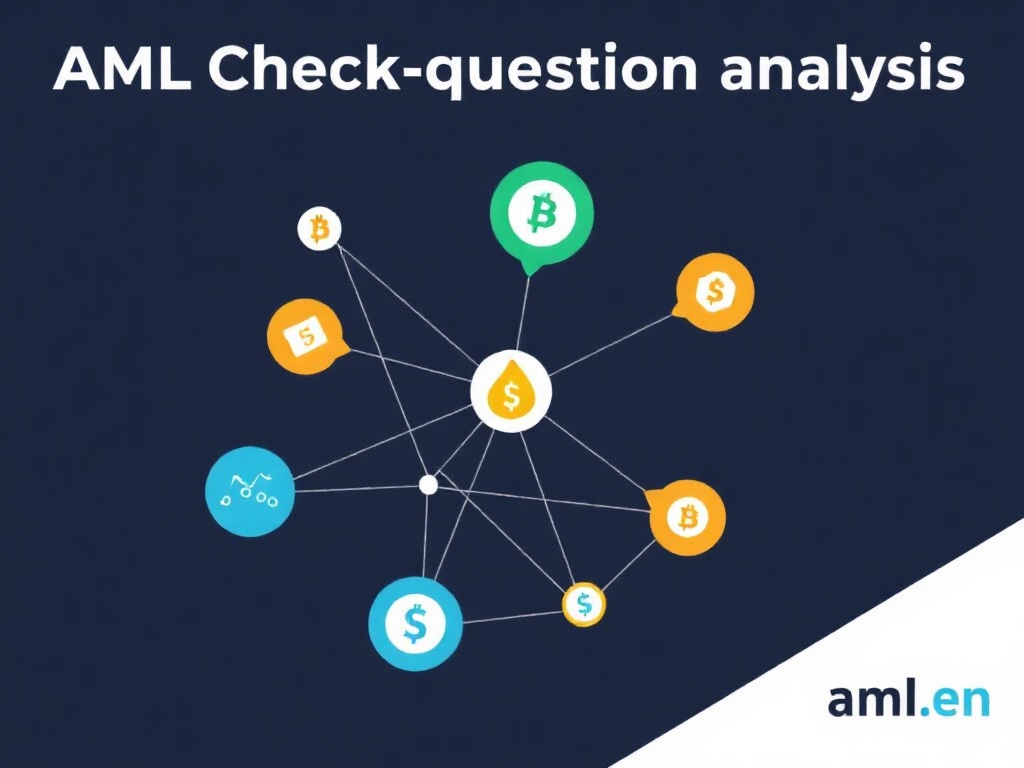
- Visualization of transaction networks to uncover hidden relationships.
- Integration with sanctions screening databases.
Foster a Culture of Compliance
AML compliance is not solely the responsibility of the compliance department—it requires a top-down commitment to ethical behavior. Best practices include:
- Training Programs: Regular AML training for all employees, especially those involved in OTC trading.
- Whistleblower Protections: Encouraging employees to report suspicious activity without fear of retaliation.
- Leadership Accountability: Holding senior management responsible for compliance failures.
Collaborate with Industry Peers
Financial institutions can benefit from sharing intelligence and best practices with peers. Initiatives include:
- Information Sharing Agreements: Partnering with other firms to share data on high-risk counterparties.
- Industry Forums: Participating in groups such as the Wolfsberg Group or ACAMS to stay updated on emerging threats.
- Regulatory Sandboxes
 David ChenDigital Assets Strategist
Strengthening Compliance: The Critical Role of AML Checks for OTC Desk Counterparties
As a digital assets strategist with a background in both traditional finance and cryptocurrency markets, I’ve observed firsthand how over-the-counter (OTC) desks serve as vital infrastructure for institutional and high-net-worth transactions in digital assets. These desks facilitate large-volume trades that are often too cumbersome for public exchanges, but their counterparty risk profile demands rigorous anti-money laundering (AML) scrutiny. An AML check on an OTC desk counterparty isn’t just a regulatory checkbox—it’s a foundational risk management practice that protects liquidity providers, market integrity, and ultimately, the broader ecosystem. Without robust due diligence, OTC desks become conduits for illicit capital flows, exposing counterparties to legal penalties, reputational damage, and financial losses. In my experience, the most resilient OTC operations integrate real-time transaction monitoring, blockchain forensics, and third-party AML screening tools to validate counterparty identities and transaction histories before executing trades.
From a market microstructure perspective, the efficiency of OTC desks hinges on trust and transparency. A counterparty that fails an AML check may not only introduce regulatory exposure but also distort pricing signals and liquidity depth. I’ve seen cases where undetected illicit transactions on OTC desks led to cascading compliance failures across multiple institutions. To mitigate this, I recommend a tiered AML verification process: initial KYC/AML screening for counterparties, continuous transaction monitoring for suspicious activity, and periodic reassessment of high-risk entities. Tools like Chainalysis, TRM Labs, and Elliptic are invaluable, but they must be paired with human oversight to interpret nuanced risk scenarios. In practice, the best OTC desks treat AML compliance as a competitive advantage—one that attracts institutional capital and fosters long-term market stability. The message is clear: in the digital asset space, AML isn’t just about avoiding fines; it’s about preserving the integrity of the entire trading ecosystem.