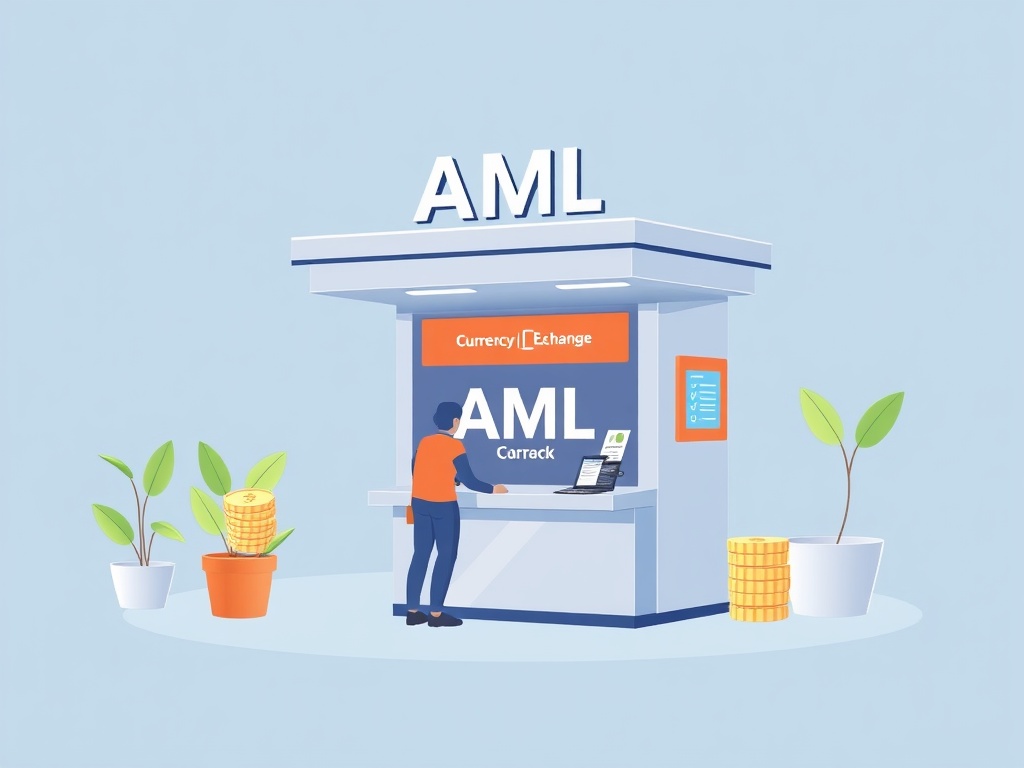
In today’s globalized economy, currency exchange kiosks play a vital role in facilitating international transactions for travelers, businesses, and individuals. However, with the rise of financial crimes such as money laundering and terrorist financing, regulatory compliance has become a top priority. This is where AML check in currency exchange kiosks comes into play. Anti-Money Laundering (AML) checks are essential safeguards that help prevent illicit financial activities while ensuring smooth and legal currency exchange operations.
This comprehensive guide explores the importance of AML checks in currency exchange kiosks, the regulatory landscape, best practices for compliance, and how businesses and consumers can benefit from secure and transparent transactions. Whether you're a kiosk operator, a financial institution, or a traveler using these services, understanding AML checks is crucial for maintaining trust and legality in financial exchanges.
The Role of AML Checks in Currency Exchange Kiosks
Currency exchange kiosks, also known as forex kiosks or foreign exchange booths, are physical or digital platforms where individuals and businesses can convert one currency into another. These kiosks are commonly found in airports, shopping malls, banks, and tourist destinations. While they provide convenience, they also pose risks of being exploited for money laundering and other financial crimes.
An AML check in currency exchange kiosks refers to the process of verifying the identity of customers and monitoring transactions to detect suspicious activities. AML checks are designed to comply with international and local regulations, such as the Bank Secrecy Act (BSA) in the United States, the European Union’s Fifth Anti-Money Laundering Directive (5AMLD), and the Financial Action Task Force (FATF) recommendations.
Why AML Checks Are Essential for Currency Exchange Kiosks
- Preventing Money Laundering: Criminals may attempt to exchange large sums of illicit cash into different currencies to obscure their origins. AML checks help identify and block such transactions.
- Complying with Regulations: Financial authorities impose strict AML requirements on currency exchange businesses. Failure to comply can result in hefty fines, legal penalties, or even the revocation of operating licenses.
- Enhancing Customer Trust: Customers are more likely to use a kiosk that demonstrates a commitment to security and regulatory compliance.
- Reducing Fraud Risks: AML checks can detect fake identities, counterfeit documents, and other fraudulent activities that may target currency exchange services.
How AML Checks Work in Currency Exchange Kiosks
The AML check process typically involves several key steps:
- Customer Identification: The kiosk collects and verifies the customer’s identity using government-issued IDs, passports, or biometric data.
- Transaction Monitoring: The system tracks the amount and frequency of transactions to identify unusual patterns, such as large cash exchanges or rapid, consecutive transactions.
- Risk Assessment: Based on the customer’s profile and transaction history, the kiosk assigns a risk level (low, medium, or high). High-risk transactions may trigger additional scrutiny.
- Suspicious Activity Reporting (SAR): If a transaction appears suspicious, the kiosk operator is legally obligated to file a report with financial authorities.
- Record Keeping: All AML-related data, including customer IDs and transaction records, must be stored securely for a specified period (usually 5-7 years).
By implementing these measures, AML check in currency exchange kiosks ensures that only legitimate transactions are processed, protecting both the business and its customers from financial crimes.
Regulatory Requirements for AML Checks in Currency Exchange Kiosks
Currency exchange kiosks operate in a highly regulated environment, with AML laws varying by country and region. Understanding these regulations is critical for kiosk operators to avoid legal repercussions and maintain operational integrity.
Key AML Regulations Affecting Currency Exchange Kiosks
Different jurisdictions have established AML frameworks that currency exchange businesses must follow. Below are some of the most influential regulations:
United States: Bank Secrecy Act (BSA) and FinCEN
The BSA is the primary AML law in the U.S., enforced by the Financial Crimes Enforcement Network (FinCEN). Key requirements for currency exchange kiosks include:
- Customer Due Diligence (CDD): Kiosks must verify the identity of customers exchanging more than $1,000 in cash.
- Suspicious Activity Reporting (SAR): Any transaction exceeding $10,000 in cash must be reported to FinCEN using Form 111.
- Record Keeping: Kiosks must maintain records of all transactions for at least five years.
European Union: Fifth Anti-Money Laundering Directive (5AMLD)
The 5AMLD, which came into effect in 2020, strengthens AML measures across EU member states. For currency exchange kiosks, this means:
- Enhanced Due Diligence (EDD): Additional checks are required for high-risk customers, such as those from countries with weak AML controls.
- Beneficial Ownership Transparency: Kiosks must identify the true owners of funds, especially in cases involving corporate entities.
- Centralized Beneficial Ownership Registers: EU countries must maintain registers of beneficial owners to prevent shell companies from being used for money laundering.
United Kingdom: Money Laundering Regulations 2017
The UK’s Money Laundering Regulations align with the EU’s 5AMLD but include additional provisions, such as:
- Risk Assessments: Kiosks must conduct regular risk assessments to identify and mitigate AML vulnerabilities.
- Training Requirements: Staff must receive AML training to recognize suspicious activities.
- Supervision by HMRC: The HM Revenue & Customs (HMRC) oversees compliance and can impose penalties for violations.
Other Global Regulations
Countries like Canada, Australia, and Singapore have their own AML laws, often modeled after FATF recommendations. For example:
- Canada (Proceeds of Crime (Money Laundering) and Terrorist Financing Act): Requires reporting entities to implement AML programs and file suspicious transaction reports.
- Australia (Anti-Money Laundering and Counter-Terrorism Financing Act 2006): Mandates that currency exchange businesses register with AUSTRAC and comply with reporting obligations.
Penalties for Non-Compliance
Failing to comply with AML regulations can have severe consequences for currency exchange kiosks, including:
- Fines: Regulatory bodies can impose substantial fines, such as the $5.1 billion penalty levied against HSBC in 2012 for AML failures.
- License Revocation: Kiosks may lose their operating licenses, forcing them to shut down.
- Reputational Damage: Non-compliance can erode customer trust and deter legitimate business.
- Criminal Charges: In extreme cases, operators or employees may face criminal prosecution for willful violations.
To avoid these risks, kiosk operators must stay informed about evolving AML regulations and implement robust compliance programs.
Best Practices for Implementing AML Checks in Currency Exchange Kiosks
Implementing effective AML checks in currency exchange kiosks requires a combination of technology, staff training, and operational policies. Below are the best practices that kiosk operators should adopt to ensure compliance and security.
1. Invest in AML Compliance Software
Modern AML compliance software can automate many aspects of the AML check process, reducing human error and improving efficiency. Key features to look for include:
- Identity Verification: Tools that scan and verify government-issued IDs, passports, and biometric data in real time.
- Transaction Monitoring: AI-powered systems that flag unusual transaction patterns, such as rapid exchanges or large cash deposits.
- Watchlist Screening: Integration with global sanctions lists (e.g., OFAC, EU Sanctions) to block transactions involving high-risk individuals or entities.
- Automated Reporting: Software that generates and submits Suspicious Activity Reports (SARs) to regulatory authorities.
Popular AML compliance solutions for currency exchange kiosks include:
- ComplyAdvantage – Uses AI to detect financial crime risks.
- Fenergo – Provides end-to-end AML and KYC (Know Your Customer) solutions.
- Refinitiv World-Check – Offers watchlist screening and due diligence tools.
2. Conduct Thorough Customer Due Diligence (CDD)
Customer Due Diligence (CDD) is the foundation of AML compliance. Kiosks should implement the following CDD measures:
- Identity Verification: Require customers to present a valid government-issued ID (e.g., passport, driver’s license) and cross-check it against official databases.
- Enhanced Due Diligence (EDD) for High-Risk Customers: Apply additional scrutiny to customers from high-risk jurisdictions, politically exposed persons (PEPs), or those involved in large transactions.
- Ongoing Monitoring: Continuously monitor customer transactions to detect changes in behavior that may indicate suspicious activity.
3. Train Staff on AML Compliance
Employees are the first line of defense against money laundering. Kiosk operators should provide regular AML training that covers:
- Recognizing Suspicious Activities: Teach staff to identify red flags, such as customers avoiding eye contact, providing inconsistent information, or making unusually large transactions.
- Handling High-Risk Transactions: Train employees on how to respond to high-risk scenarios, including when to escalate issues to compliance officers.
- Reporting Procedures: Ensure staff know how to file Suspicious Activity Reports (SARs) and maintain proper records.
Training should be conducted at least annually and include updates on new AML regulations and emerging threats.
4. Implement a Risk-Based Approach
A risk-based approach allows kiosks to allocate resources effectively by focusing on high-risk customers and transactions. Steps include:
- Risk Assessment: Evaluate the risk level of each customer based on factors such as transaction size, frequency, and geographic location.
- Tiered Due Diligence: Apply simplified due diligence for low-risk customers and enhanced due diligence for high-risk ones.
- Regular Audits: Conduct internal audits to assess the effectiveness of AML controls and identify areas for improvement.
5. Maintain Accurate and Secure Records
Regulatory authorities require kiosks to maintain detailed records of all AML-related activities. Best practices for record-keeping include:
- Digital Storage: Use secure, encrypted databases to store customer IDs, transaction records, and SARs.
- Retention Periods: Keep records for the legally required period (e.g., 5 years in the U.S., 7 years in the EU).
- Access Controls: Limit access to AML records to authorized personnel only.
6. Collaborate with Regulatory Authorities
Building a strong relationship with regulatory bodies can help kiosks stay ahead of compliance requirements. Consider the following:
- Participate in Industry Associations: Join organizations like the Association of Certified Anti-Money Laundering Specialists (ACAMS) to stay informed about best practices.
- Attend Regulatory Workshops: Many financial authorities offer training sessions on AML compliance.
- Voluntary Disclosures: If a mistake occurs, proactively report it to authorities to demonstrate a commitment to compliance.
By adopting these best practices, currency exchange kiosks can create a robust AML framework that protects against financial crimes while ensuring smooth operations.
Common Challenges in AML Checks for Currency Exchange Kiosks
While AML checks are essential, currency exchange kiosks face several challenges in implementing effective compliance programs. Understanding these challenges can help operators develop strategies to overcome them.
1. Balancing Compliance with Customer Convenience
One of the biggest challenges is ensuring that AML checks do not create long wait times or deter legitimate customers. Kiosks must strike a balance between thorough verification and a seamless user experience. Solutions include:
- Self-Service Kiosks: Automated kiosks with built-in ID scanners and biometric verification can speed up the process.
- Pre-Verification Options: Allow repeat customers to pre-verify their identities online, reducing on-site processing time.
2. Dealing with High-Risk Customers
Some customers, such as those from high-risk jurisdictions or PEPs, require enhanced due diligence. However, rejecting these customers outright can lead to lost business. Instead, kiosks should:
- Implement Tiered Due Diligence: Apply stricter checks only when necessary.
- Offer Alternative Services: For high-risk customers, suggest digital currency exchange platforms that may have stricter AML controls.
3. Keeping Up with Evolving Regulations
AML laws are constantly changing, and kiosks must adapt quickly to remain compliant. Challenges include:
- Regulatory Updates: Staying informed about new laws in multiple jurisdictions can be overwhelming.
- Technology Upgrades: Updating AML software to comply with new requirements can be costly.
To address this, kiosks should:
- Subscribe to Regulatory Alerts: Use services like Thomson Reuters or LexisNexis to receive updates on AML laws.
- Work with Compliance Consultants: Hire experts to ensure that AML programs are up to date.
4. Detecting Sophisticated Money Laundering Techniques
Criminals are increasingly using complex methods to launder money through currency exchange kiosks, such as:
- Structuring (Smurfing): Breaking large transactions into smaller amounts to avoid detection.
- Layering: Conducting multiple exchanges to obscure the origin of funds.
- Use of Shell Companies: Hiding beneficial ownership behind corporate entities.
To combat these tactics, kiosks should:
- Use AI-Powered Monitoring: Advanced analytics can detect unusual transaction patterns.
- Collaborate with Law Enforcement: Share information with authorities to track and disrupt criminal networks.
5. Managing Cross-Border Transactions
Currency exchange kiosks often handle transactions involving multiple currencies and jurisdictions, each with its own AML requirements. Challenges include:
- Jurisdictional Differences: Complying with AML laws in both the kiosk’s home country and the customer’s country.
- Currency Fluctuations: Monitoring transactions in volatile currencies can be complex.
Solutions include:
- Geofencing: Restrict transactions from high-risk countries.
- Real-Time Exchange Rate Monitoring: Use trusted financial data providers to ensure accurate and compliant transactions.
By addressing these challenges proactively, currency exchange kiosks can enhance their AML programs and reduce the risk of financial crimes.
Future Trends in AML Checks for Currency Exchange Kiosks
The landscape of AML compliance is rapidly evolving, driven by technological advancements and changing criminal tactics. Currency exchange kiosks must stay ahead of these trends to maintain effective AML checks. Below are some of the most significant future developments in the field.
1. The Rise of AI and Machine Learning
Artificial Intelligence (AI) and machine learning are transforming AML compliance by enabling kiosks to detect suspicious activities more accurately and efficiently. Key applications include:
- Predictive Analytics: AI can analyze transaction patterns to predict and prevent money laundering before it occurs.
- Natural Language Processing (NLP): Used to analyze customer communications (e.g., chat logs, emails) for red flags.
- Behavioral Biometrics: AI systems can monitor typing speed, mouse movements, and other behavioral patterns to detect fraudulent activity.
As AI technology advances, it will become an indispensable tool for AML check in currency exchange kiosks, reducing false positives and improving detection rates.
2. Blockchain and
 James Richardson
Senior Crypto Market Analyst
James Richardson
Senior Crypto Market Analyst
Why AML Check Currency Exchange Kiosks Are Critical for Modern Financial Compliance
As a Senior Crypto Market Analyst with over a decade of experience in digital asset markets, I’ve observed firsthand how regulatory scrutiny has intensified around cash-based financial services—particularly in the currency exchange sector. AML (Anti-Money Laundering) check currency exchange kiosks represent a pivotal evolution in compliance infrastructure, bridging the gap between traditional fiat transactions and the growing demand for transparency in high-risk environments. These kiosks, equipped with real-time identity verification, transaction monitoring, and blockchain traceability tools, are no longer optional; they are a necessity for operators seeking to mitigate exposure to illicit finance while maintaining operational legitimacy. From my perspective, the integration of AML checks at the point of exchange isn’t just about ticking regulatory boxes—it’s about safeguarding the integrity of the entire financial ecosystem.
Practically speaking, the adoption of AML check currency exchange kiosks delivers measurable benefits beyond compliance. For operators, these systems reduce the risk of fines, reputational damage, and operational disruptions by flagging suspicious activity before transactions are completed. For regulators, they provide a scalable solution to monitor high-volume, cash-intensive environments where traditional banking channels may fall short. In markets with strict AML frameworks—such as the EU’s 6AMLD or the U.S. Bank Secrecy Act—these kiosks serve as a frontline defense against structuring, smurfing, and other money laundering tactics. Moreover, as cryptocurrency adoption accelerates, the synergy between AML-checked fiat exchanges and digital asset platforms becomes undeniable. Forward-thinking institutions are already leveraging these kiosks to create seamless, auditable pathways for customers transitioning between cash and crypto, ensuring compliance without sacrificing user experience. The message is clear: AML check currency exchange kiosks are not just a regulatory hurdle—they are a strategic asset in the fight against financial crime.
Why AML Check Currency Exchange Kiosks Are Critical for Modern Financial Compliance
As a Senior Crypto Market Analyst with over a decade of experience in digital asset markets, I’ve observed firsthand how regulatory scrutiny has intensified around cash-based financial services—particularly in the currency exchange sector. AML (Anti-Money Laundering) check currency exchange kiosks represent a pivotal evolution in compliance infrastructure, bridging the gap between traditional fiat transactions and the growing demand for transparency in high-risk environments. These kiosks, equipped with real-time identity verification, transaction monitoring, and blockchain traceability tools, are no longer optional; they are a necessity for operators seeking to mitigate exposure to illicit finance while maintaining operational legitimacy. From my perspective, the integration of AML checks at the point of exchange isn’t just about ticking regulatory boxes—it’s about safeguarding the integrity of the entire financial ecosystem.
Practically speaking, the adoption of AML check currency exchange kiosks delivers measurable benefits beyond compliance. For operators, these systems reduce the risk of fines, reputational damage, and operational disruptions by flagging suspicious activity before transactions are completed. For regulators, they provide a scalable solution to monitor high-volume, cash-intensive environments where traditional banking channels may fall short. In markets with strict AML frameworks—such as the EU’s 6AMLD or the U.S. Bank Secrecy Act—these kiosks serve as a frontline defense against structuring, smurfing, and other money laundering tactics. Moreover, as cryptocurrency adoption accelerates, the synergy between AML-checked fiat exchanges and digital asset platforms becomes undeniable. Forward-thinking institutions are already leveraging these kiosks to create seamless, auditable pathways for customers transitioning between cash and crypto, ensuring compliance without sacrificing user experience. The message is clear: AML check currency exchange kiosks are not just a regulatory hurdle—they are a strategic asset in the fight against financial crime.