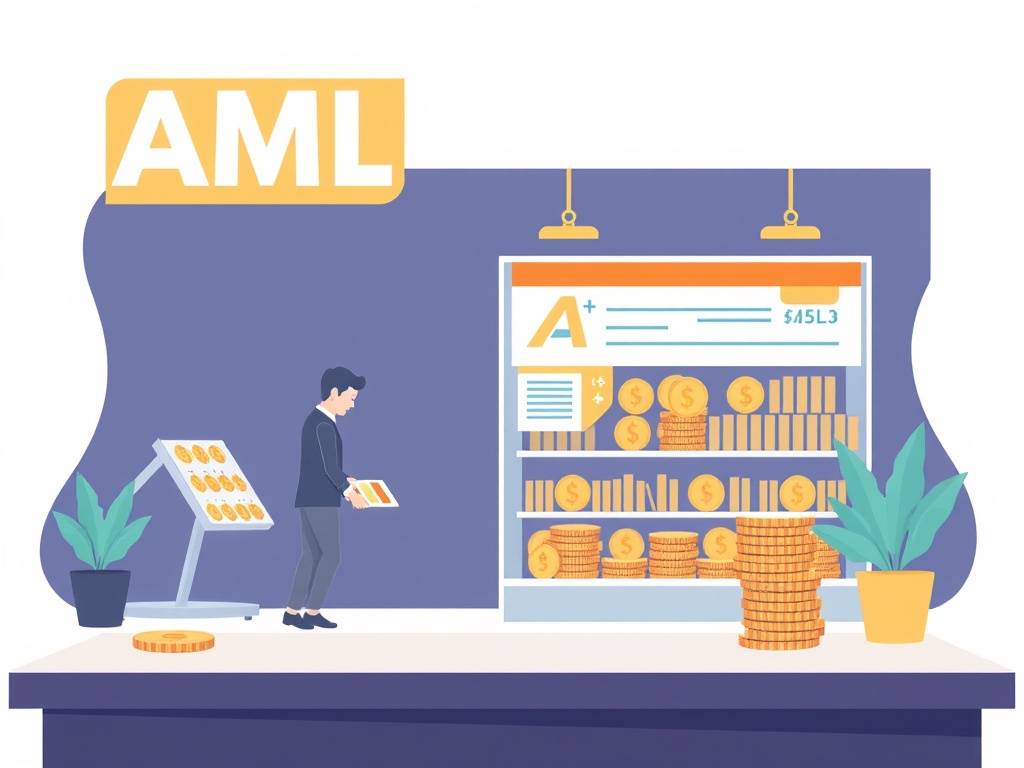
Numismatic dealers play a vital role in the global economy by facilitating the sale and trade of rare coins, currency, and precious metals. However, their involvement in high-value transactions makes them particularly vulnerable to financial crimes such as money laundering and terrorist financing. To combat these risks, regulatory authorities have implemented stringent Anti-Money Laundering (AML) checks specifically tailored for businesses operating in the numismatic industry. This guide provides a detailed overview of AML compliance for numismatic dealers, including key regulations, best practices, and the importance of conducting thorough AML checks to ensure legal and ethical operations.
For numismatic dealers, understanding and implementing effective AML procedures is not just a legal obligation but also a critical component of maintaining trust with customers and regulatory bodies. Failure to comply with AML regulations can result in severe penalties, reputational damage, and even criminal charges. This article explores the essential aspects of AML checks for numismatic dealers, offering actionable insights to help businesses navigate the complex landscape of financial compliance.
---Why AML Checks Are Essential for Numismatic Dealers
Numismatic dealers often handle transactions involving high-value items, which can be attractive to criminals seeking to launder illicit funds. Unlike traditional retail businesses, the numismatic industry deals with items that may not have a standardized market value, making it easier for illicit proceeds to be disguised as legitimate purchases. This unique challenge underscores the necessity of robust AML check protocols for dealers.
The Role of AML Checks in Preventing Financial Crimes
Money laundering involves concealing the origins of illegally obtained funds by integrating them into the legitimate economy. Numismatic dealers can unknowingly facilitate this process by accepting payments for rare coins or currency without proper verification. An effective AML check helps identify suspicious transactions by screening customers, monitoring transaction patterns, and reporting unusual activities to authorities.
For example, a dealer who receives a large cash payment for a high-value coin without conducting due diligence may inadvertently process funds derived from drug trafficking or fraud. By implementing AML checks, dealers can mitigate these risks and contribute to the broader effort of combating financial crimes.
Regulatory Expectations for Numismatic Dealers
Regulatory bodies such as the Financial Crimes Enforcement Network (FinCEN) in the United States and the Financial Conduct Authority (FCA) in the UK have established guidelines for AML compliance in the numismatic industry. These regulations require dealers to:
- Verify the identity of customers through government-issued IDs and other documentation.
- Maintain records of transactions for a specified period (typically five years).
- Implement internal controls to detect and report suspicious activities.
- Provide regular AML training to employees to ensure awareness of compliance requirements.
Failure to adhere to these regulations can result in hefty fines, legal action, and the revocation of business licenses. Therefore, conducting thorough AML checks is not optional but a mandatory aspect of operating a numismatic business.
The Impact of Non-Compliance on Numismatic Dealers
Beyond legal repercussions, non-compliance with AML regulations can severely damage a dealer’s reputation. In an industry built on trust and authenticity, being associated with financial crimes can lead to loss of customers, partnerships, and industry certifications. Additionally, financial institutions may hesitate to work with dealers who have a history of compliance violations, further limiting business opportunities.
By prioritizing AML checks, numismatic dealers demonstrate their commitment to ethical business practices and position themselves as responsible participants in the global economy.
---Key AML Regulations Affecting Numismatic Dealers
Numismatic dealers must comply with a variety of AML regulations, which vary depending on their jurisdiction. Understanding these regulations is crucial for implementing effective AML check procedures and avoiding legal pitfalls.
United States: FinCEN and the Bank Secrecy Act (BSA)
In the United States, the Bank Secrecy Act (BSA) is the primary legislation governing AML compliance. The Financial Crimes Enforcement Network (FinCEN), a bureau of the U.S. Department of the Treasury, enforces BSA requirements, which include:
- Customer Due Diligence (CDD): Dealers must verify the identity of customers and beneficial owners (individuals who ultimately own or control the transaction).
- Suspicious Activity Reports (SARs): Dealers must file SARs with FinCEN if they detect transactions that may involve money laundering or other financial crimes.
- Currency Transaction Reports (CTRs): Dealers must report cash transactions exceeding $10,000 to FinCEN.
- Recordkeeping: Dealers must maintain records of transactions, customer identities, and any supporting documentation for at least five years.
For numismatic dealers, compliance with BSA requirements is particularly critical due to the high-value nature of their transactions. Implementing a robust AML check system ensures that dealers can meet these obligations and avoid penalties.
European Union: The Fifth and Sixth Anti-Money Laundering Directives (5AMLD and 6AMLD)
The European Union has strengthened its AML framework with the Fifth and Sixth Anti-Money Laundering Directives (5AMLD and 6AMLD), which impose stricter requirements on businesses, including numismatic dealers. Key provisions include:
- Enhanced Due Diligence (EDD): Dealers must conduct additional scrutiny for high-risk customers, such as politically exposed persons (PEPs) or those from high-risk jurisdictions.
- Beneficial Ownership Transparency: Dealers must identify and verify the beneficial owners of corporate customers.
- Suspicious Transaction Reporting: Dealers must report suspicious activities to national Financial Intelligence Units (FIUs).
- Virtual Asset Service Providers (VASPs): While not directly applicable to numismatic dealers, the EU’s focus on digital assets highlights the broader trend of tightening AML regulations across all financial sectors.
Numismatic dealers operating in the EU must ensure their AML check procedures align with these directives to avoid regulatory scrutiny.
Other Jurisdictions: Canada, Australia, and Beyond
Countries like Canada and Australia have also implemented stringent AML regulations that affect numismatic dealers. For example:
- Canada: The Proceeds of Crime (Money Laundering) and Terrorist Financing Act (PCMLTFA) requires dealers to register with the Financial Transactions and Reports Analysis Centre of Canada (FINTRAC) and comply with recordkeeping, reporting, and customer identification requirements.
- Australia: The Anti-Money Laundering and Counter-Terrorism Financing Act 2006 (AML/CTF Act) mandates that dealers implement AML programs, conduct customer due diligence, and report suspicious activities to the Australian Transaction Reports and Analysis Centre (AUSTRAC).
Dealers operating internationally must familiarize themselves with the AML regulations in each jurisdiction where they conduct business. A comprehensive AML check system should account for these variations to ensure full compliance.
The Role of Self-Regulatory Organizations (SROs)
In addition to government regulations, many numismatic dealers are members of self-regulatory organizations (SROs) such as the Professional Numismatists Guild (PNG) or the Industry Council for Tangible Assets (ICTA). These organizations often impose additional AML requirements on their members, including mandatory training, audits, and adherence to ethical standards.
By joining an SRO, dealers can demonstrate their commitment to AML compliance and gain access to resources and guidance tailored to the numismatic industry. Implementing an AML check system that aligns with SRO guidelines can further enhance a dealer’s reputation and credibility.
---Implementing an Effective AML Check System for Numismatic Dealers
Developing and implementing an effective AML check system is essential for numismatic dealers to comply with regulations and mitigate financial crime risks. This section outlines the key components of a robust AML compliance program.
Step 1: Customer Identification and Verification
The foundation of any AML program is the accurate identification and verification of customers. Numismatic dealers must collect and verify the following information:
- Full Name: The customer’s legal name as it appears on government-issued identification.
- Date of Birth: To confirm the customer’s identity and age.
- Address: A physical address where the customer can be contacted.
- Government-Issued ID: A valid passport, driver’s license, or national ID card.
- Tax Identification Number (TIN): For U.S. dealers, a Social Security Number (SSN) or Employer Identification Number (EIN); for EU dealers, a VAT number or national tax ID.
Dealers should use reliable identity verification tools, such as electronic ID verification (eIDV) or know-your-customer (KYC) software, to streamline this process. Automated systems can cross-reference customer data with government databases to confirm authenticity and flag discrepancies.
Step 2: Risk Assessment and Customer Profiling
Not all customers pose the same level of risk for money laundering. Dealers should conduct a risk assessment to categorize customers based on factors such as:
- Transaction Volume: High-value or frequent transactions may warrant additional scrutiny.
- Geographic Location: Customers from high-risk jurisdictions (e.g., countries with weak AML controls or known for financial crimes) should be flagged for enhanced due diligence.
- Business Relationships: Customers who are politically exposed persons (PEPs) or have connections to high-risk industries (e.g., gambling, cryptocurrency) require extra vigilance.
- Payment Methods: Cash payments, especially for large amounts, are inherently riskier and should trigger additional verification.
By profiling customers based on these risk factors, dealers can prioritize their AML check efforts and allocate resources more effectively.
Step 3: Monitoring and Reporting Suspicious Activities
Ongoing monitoring is a critical component of AML compliance. Dealers should implement systems to track customer transactions and identify unusual patterns, such as:
- Unusually Large Transactions: Payments that exceed typical transaction amounts for a given customer.
- Frequent Transactions: A series of transactions that appear designed to avoid reporting thresholds (e.g., structuring).
- Lack of Economic Justification: Transactions where the customer cannot provide a reasonable explanation for the purchase.
- Use of Third Parties: Transactions involving intermediaries or shell companies that obscure the true beneficial owner.
If a dealer identifies a suspicious transaction, they must file a Suspicious Activity Report (SAR) with the appropriate regulatory authority. In the U.S., this is FinCEN; in the EU, it is the national FIU. Failure to report suspicious activities can result in severe penalties, making this step a non-negotiable part of AML compliance.
Step 4: Recordkeeping and Documentation
Regulatory requirements mandate that dealers maintain detailed records of all transactions and customer information for a specified period (typically five years). These records should include:
- Customer identification documents (e.g., copies of IDs, proof of address).
- Transaction details (e.g., date, amount, payment method, description of items purchased).
- Correspondence with customers (e.g., emails, contracts, invoices).
- SARs and other compliance reports filed with authorities.
Dealers should use secure, encrypted systems to store this information and ensure it is easily accessible for regulatory audits. A well-organized recordkeeping system not only facilitates compliance but also demonstrates a dealer’s commitment to transparency and accountability.
Step 5: Employee Training and Awareness
AML compliance is not solely the responsibility of management—it requires the participation of all employees. Dealers should provide regular AML training to ensure staff are aware of:
- The latest AML regulations and their implications for the numismatic industry.
- How to identify and report suspicious activities.
- Best practices for customer due diligence and recordkeeping.
- The consequences of non-compliance, including legal and reputational risks.
Training should be conducted at least annually and whenever new regulations or internal policies are introduced. Additionally, dealers should encourage a culture of compliance by fostering open communication and providing channels for employees to report concerns anonymously.
---Common Challenges in AML Compliance for Numismatic Dealers
While implementing an AML check system is essential, numismatic dealers often face unique challenges that can complicate compliance efforts. Understanding these challenges is the first step toward developing effective solutions.
Challenge 1: High-Value Transactions and Cash Payments
Numismatic dealers frequently handle transactions involving rare coins or currency worth thousands—or even millions—of dollars. These high-value transactions are attractive to money launderers, who may use cash payments to obscure the origins of illicit funds. Additionally, cash transactions are inherently difficult to trace, making them a preferred method for criminals.
To address this challenge, dealers should:
- Implement strict limits on cash transactions and encourage electronic payments where possible.
- Require additional documentation (e.g., proof of funds, transaction purpose) for high-value cash payments.
- Use automated systems to flag and monitor cash transactions exceeding reporting thresholds.
By taking these steps, dealers can reduce the risk of processing illicit funds while maintaining compliance with AML regulations.
Challenge 2: Identifying Beneficial Owners in Complex Transactions
In some cases, customers may use intermediaries, shell companies, or trusts to conceal their identity. This practice, known as layering, is a common tactic in money laundering schemes. For numismatic dealers, identifying the true beneficial owner of a transaction can be particularly challenging, especially when dealing with corporate buyers or high-net-worth individuals.
To overcome this challenge, dealers should:
- Request and verify corporate documentation (e.g., articles of incorporation, ownership registers) for business customers.
- Conduct enhanced due diligence (EDD) for customers from high-risk jurisdictions or those involved in complex transactions.
- Use third-party verification services to cross-reference customer information with global databases.
By thoroughly vetting the beneficial owners of transactions, dealers can mitigate the risk of facilitating money laundering.
Challenge 3: Keeping Up with Evolving Regulations
AML regulations are constantly evolving, with new directives, guidelines, and enforcement actions being introduced regularly. For numismatic dealers, staying abreast of these changes can be overwhelming, particularly for small businesses with limited resources.
To address this challenge, dealers should:
- Subscribe to regulatory updates from authorities such as FinCEN, FCA, or AUSTRAC.
- Join industry associations (e.g., PNG, ICTA) that provide guidance on AML compliance.
- Invest in compliance software that automates regulatory updates and alerts dealers to changes in requirements.
By proactively monitoring regulatory developments, dealers can ensure their AML check systems remain up-to-date and effective.
Challenge 4: Balancing Customer Experience with Compliance
While AML compliance is critical, overly burdensome verification processes can frustrate legitimate customers and drive them to competitors. Numismatic dealers must strike a balance between thorough due diligence and providing a seamless customer experience.
To achieve this balance, dealers should:
- Implement user-friendly verification tools (e.g., eIDV, biometric authentication) to streamline the onboarding process.
- Offer clear communication about the purpose of AML checks and how customer data will be used and protected.
- Provide multiple channels for customers to complete verification (e.g., in-person, online, via mobile app).
By prioritizing both compliance and customer convenience, dealers can maintain trust and loyalty while meeting regulatory obligations.
---Best Practices for Numismatic Dealers to Enhance AML Compliance
Implementing an effective AML check system requires more than just ticking boxes—it demands a proactive and strategic approach. This section outlines best practices that numismatic dealers can adopt to enhance their AML compliance efforts.
Best Practice 1: Conduct Regular AML Audits
Regular audits are essential for identifying gaps in AML compliance and ensuring that internal controls are functioning as intended. Dealers should conduct both internal and external audits to assess their AML programs. Key areas to review include:
- Customer identification and verification processes.
- Transaction monitoring and reporting systems.
- Recordkeeping and documentation practices.
- Employee training programs and compliance culture.
 Sarah MitchellBlockchain Research Director
Strengthening Compliance: The Critical Role of AML Checks for Numismatic Dealers in the Digital Age
As the Blockchain Research Director with over eight years of experience in distributed ledger technology, I’ve observed firsthand how financial compliance has evolved from a static, rule-based framework into a dynamic, technology-driven discipline. Numismatic dealers—specialists in rare coins and currency—operate in a niche yet increasingly scrutinized sector, where the intersection of physical collectibles and digital transactions demands rigorous anti-money laundering (AML) protocols. An AML check numismatic dealer isn’t just a regulatory checkbox; it’s a strategic imperative. These dealers must navigate a complex web of international sanctions, provenance verification, and transaction monitoring, all while maintaining the trust of collectors and investors who value discretion and authenticity. The rise of blockchain-based provenance platforms and smart contract escrow systems offers a powerful solution, enabling immutable record-keeping that can trace an item’s history from minting to sale, thereby reducing the risk of illicit trade.
From a practical standpoint, implementing an effective AML framework for numismatic dealers requires more than just adopting off-the-shelf compliance tools. It demands a tailored approach that accounts for the unique challenges of the trade—such as the valuation of rare items, the prevalence of cash transactions in auctions, and the cross-border nature of high-value sales. I’ve seen too many firms rely solely on basic customer due diligence (CDD) processes, only to later uncover gaps when faced with sophisticated laundering schemes disguised as legitimate numismatic transactions. The solution lies in integrating blockchain analytics with traditional AML measures. For instance, by leveraging on-chain data to cross-reference the ownership history of a coin with known high-risk addresses or sanctioned entities, dealers can preemptively flag suspicious activity. Additionally, partnerships with specialized AML providers that understand the nuances of the collectibles market—such as tracking the movement of items through private sales or offshore auctions—can provide the granularity needed to stay ahead of regulatory expectations. In an era where financial crime is becoming more sophisticated, proactive AML checks aren’t just about avoiding penalties; they’re about safeguarding the integrity of the numismatic trade itself.