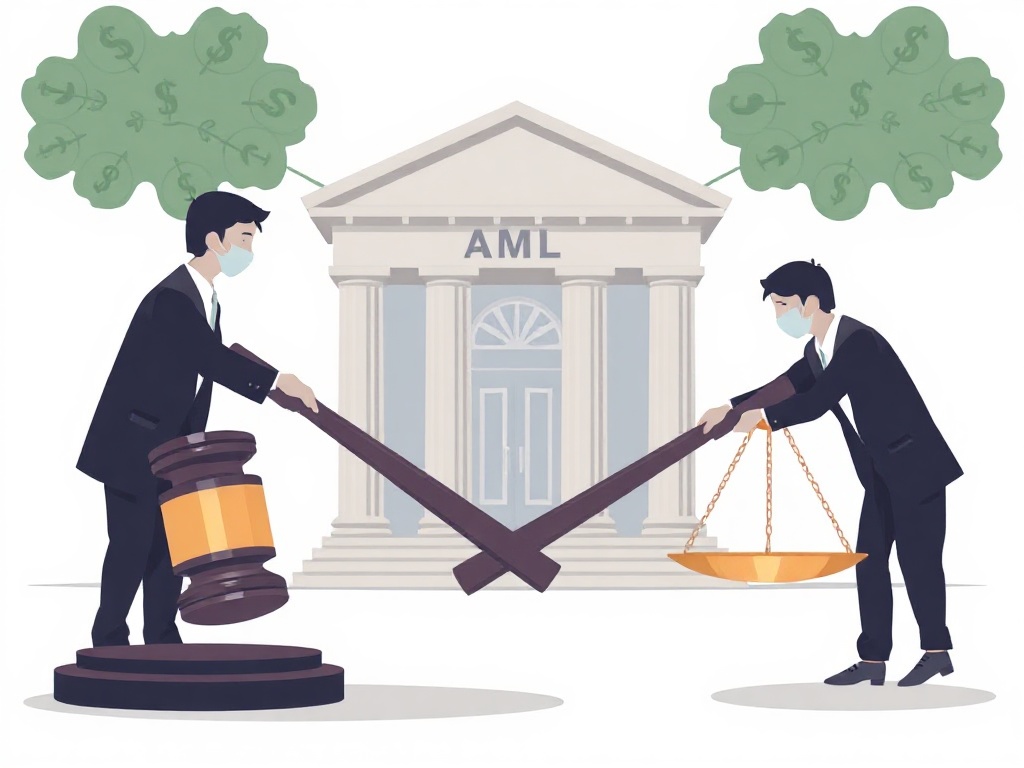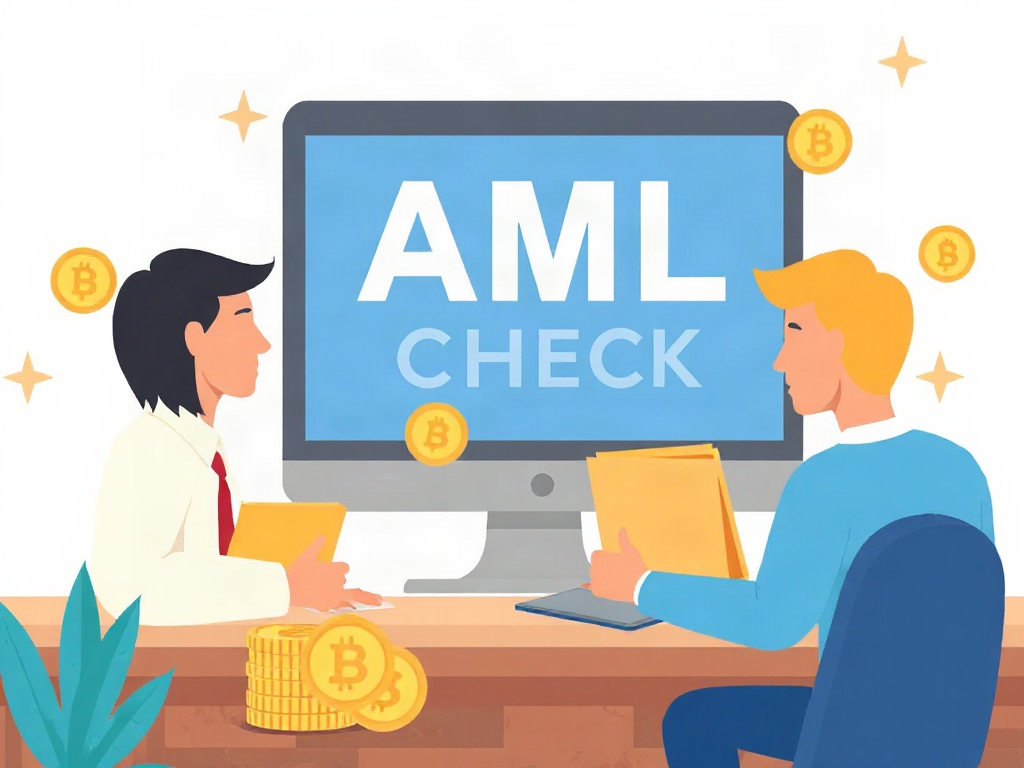
The rapid expansion of the cryptocurrency industry has created unprecedented opportunities for innovation, investment, and employment. However, this growth has also attracted sophisticated bad actors who exploit the sector's relative anonymity and fast-paced nature. One of the most insidious threats emerging in recent years is the AML check recruitment scam crypto scheme. These frauds combine the allure of high-paying crypto jobs with the appearance of legitimate anti-money laundering compliance procedures, targeting both job seekers and companies alike. Understanding how these scams operate, recognizing their red flags, and implementing robust verification processes are essential for anyone navigating the modern digital asset landscape.
In this comprehensive guide, we delve into the mechanics of AML check recruitment scams, explore why they have become so prevalent, and provide actionable strategies to safeguard your organization and personal career. Whether you are an HR professional, a compliance officer, or a job seeker looking to enter the crypto space, this article equips you with the knowledge to identify, avoid, and report these fraudulent activities.
The Rise of Recruitment Scams in the Crypto Sector
The cryptocurrency job market has exploded over the past five years. From blockchain developers to compliance analysts, the demand for skilled professionals has outpaced traditional hiring channels. Unfortunately, this demand has created a fertile ground for scammers who post fake job listings on legitimate platforms, social media, and even through unsolicited emails. The AML check recruitment scam crypto variant is particularly dangerous because it leverages the industry's genuine focus on regulatory compliance.
Scammers pose as recruiters from well-known blockchain firms or compliance consultancies. They promise lucrative salaries, remote work flexibility, and rapid onboarding. To make their ruse appear authentic, they insist that candidates complete an "AML check" or "KYC verification" as a mandatory first step. This requirement mirrors the real procedures that legitimate companies use to prevent financial crime, making the scam incredibly convincing to unsuspecting victims.
The typical flow begins with a professional-looking job posting that requires no prior crypto experience but offers salaries well above market rate. Once a candidate expresses interest, the scammer sends a seemingly official link to an AML verification portal. The portal may look like a trusted brand's site, complete with logos, legal disclaimers, and a professional interface. The victim is asked to provide personal identification documents, financial records, and sometimes even upfront payments for "processing fees" or "compliance certificates."
In many cases, the scam doesn't stop at data theft. Once the victim submits sensitive information, the scammers use it for identity theft, sell the data on dark web marketplaces, or demand additional payments under the guise of "enhanced due diligence." The AML check recruitment scam crypto scheme thrives on the victim's desire to comply with regulations and their trust in the perceived necessity of such checks.
How Legitimate AML Checks Function in Crypto Hiring
To effectively combat the AML check recruitment scam crypto threat, it is crucial to understand how legitimate anti-money laundering procedures actually work within the hiring ecosystem. Reputable cryptocurrency exchanges, wallet providers, and blockchain firms are subject to strict regulatory frameworks in jurisdictions ranging from the United States FinCEN guidelines to the EU's Fifth Anti-Money Laundering Directive. Compliance is not optional; it is a legal requirement.
Genuine AML checks in crypto hiring typically involve several structured steps. First, the employer initiates the verification process after a conditional job offer has been made. The candidate is informed clearly about what information will be requested and why. Common elements include government-issued identification, proof of address, and sometimes a background check. The process is usually handled through secure, encrypted portals that comply with data protection laws such as GDPR or CCPA.
Second, legitimate employers never ask candidates to pay for the AML check itself. Compliance costs are borne by the company as part of its operational obligations. Any request for upfront payment, gift cards, or cryptocurrency transfers to "facilitate a verification" is an immediate red flag. Third, the results of a real AML check are confidential and shared only between the employer, the compliance team, and authorized third-party verification services. Candidates have the right to know what data is being collected and how it will be used.
Finally, reputable firms integrate AML checks into a broader onboarding framework that includes employment contracts, tax documentation, and direct deposit setup. The process is transparent, documented, and compliant with industry standards. Understanding these norms helps job seekers and professionals distinguish between legitimate procedures and the deceptive tactics employed by the AML check recruitment scam crypto networks.
Red Flags: Spotting a Recruitment Scam
Identifying an AML check recruitment scam crypto scheme requires vigilance and a healthy dose of skepticism. While scams become increasingly sophisticated, several consistent warning signs can help you protect yourself and your organization.
- Unsolicited job offers with unusually high salaries. If a recruiter contacts you out of the blue offering a senior-level crypto compliance role with a salary far above market benchmarks, proceed with caution.
- Requests for upfront payment. Legitimate employers never ask candidates to pay for background checks, AML verifications, or training materials. Any demand for payment, especially via cryptocurrency, wire transfer, or gift cards, is a definitive scam indicator.
- Poorly designed verification portals. Hover over links to inspect the actual URL. Scam sites often use slight misspellings of well-known brands (e.g., "binance-verify.com" instead of "binance.com") or use generic domains like ".top" or ".xyz" instead of established company domains.
- Pressure to act quickly. Scammers create a false sense of urgency, claiming the AML check must be completed within hours to secure the position. Legitimate compliance processes take time and involve multiple steps.
- Vague company details. If the recruiter cannot provide a verifiable company address, official registration number, or direct contact information for the hiring manager, treat the opportunity as suspicious.
- Overemphasis on crypto payments. Be wary of any job description that heavily features cryptocurrency payments, especially if the role is supposed to be in compliance or traditional employment.
By recognizing these red flags, candidates and HR professionals can significantly reduce the risk of falling victim to the AML check recruitment scam crypto ecosystem. When in doubt, always verify the employer's identity through independent channels, such as the company's official website, LinkedIn verification, or direct contact with known company representatives.
The Impact on Organizations and the Industry
The consequences of AML check recruitment scam crypto schemes extend beyond individual victims. For companies, falling prey to such scams can result in severe reputational damage, legal liabilities, and financial losses. When a company unknowingly hires a candidate who has submitted fraudulent documentation, it may inadvertently violate its own compliance obligations, leading to regulatory fines or license suspensions.
Moreover, the proliferation of these scams undermines trust in the crypto industry's hiring practices. Legitimate firms may find it more difficult to attract top talent if candidates become overly cautious or if word spreads about fraudulent schemes. Investors and regulators alike scrutinize the industry's ability to self-regulate, and a surge in recruitment fraud can provide ammunition for those advocating for stricter, more burdensome compliance measures.
From a broader perspective, the AML check recruitment scam crypto threat highlights the need for industry-wide education and standardized verification protocols. Professional associations, compliance bodies, and crypto companies must collaborate to establish clear guidelines for legitimate AML checks, publish warning resources, and create reporting mechanisms for suspected fraud. By fostering a culture of transparency and due diligence, the industry can protect its workforce and maintain its credibility in the global financial ecosystem.
Proactive Measures for Job Seekers
Job seekers entering the crypto space can take several proactive steps to safeguard themselves against the AML check recruitment scam crypto threat. First, always research the company thoroughly. Check official registries, read employee reviews on Glassdoor or Indeed, and verify the company's physical presence and legal standing in its jurisdiction.
Second, never share sensitive personal information—such as social security numbers, bank details, or passport scans—until you have verified the legitimacy of the employer and the necessity of the request. If an employer insists on cryptocurrency payments for any part of the hiring process, disengage immediately.
Third, use secure communication channels. Scammers often move conversations to encrypted messaging apps or email domains that mimic legitimate companies. Stick to official company platforms and verify any links before clicking. Additionally, consider using identity protection services that monitor for unauthorized use of your personal data.
Fourth, trust your instincts. If something feels off about a job offer, the verification process, or the recruiter's communication style, it is perfectly acceptable to decline the opportunity and report the suspicious activity. Your personal and financial security should always take precedence over a potential job opportunity.
Proactive Measures for Employers and Compliance Teams
On the employer side, mitigating the risk of the AML check recruitment scam crypto phenomenon requires a multi-layered approach. Begin by implementing a strict internal policy that prohibits any request for candidate payments related to compliance checks. Clearly communicate this policy in all job postings and recruiter communications.
Second, partner with reputable third-party verification services that comply with industry standards and data protection regulations. Ensure that your AML check process is transparent, documented, and conducted through secure, encrypted portals. Provide candidates with a clear explanation of what the check entails, how long it will take, and who will have access to the results.
Third, train your HR and recruitment teams to recognize the signs of recruitment scams. Regular workshops on emerging fraud tactics, including the specific nuances of the AML check recruitment scam crypto scheme, can empower your staff to identify and halt suspicious activities before they escalate.
Fourth, establish a reporting mechanism for suspected scams. Encourage candidates and employees to report any questionable hiring practices to your compliance department or relevant regulatory bodies. By creating a culture of accountability and vigilance, your organization not only protects itself but also contributes to the broader effort to clean up the crypto industry's hiring landscape.
Legal and Regulatory Considerations
The legal landscape surrounding recruitment fraud and AML compliance is complex and varies by jurisdiction. In many regions, knowingly participating in or facilitating an AML check recruitment scam crypto scheme can constitute wire fraud, identity theft, or violations of financial services regulations. Victims may have recourse through consumer protection agencies, civil courts, or criminal prosecution of the perpetrators.
For employers, the stakes are equally high. Hiring individuals who have undergone fraudulent verification can expose the company to regulatory penalties, especially if the individual later engages in money laundering or other financial crimes within the organization. Regulators expect firms to exercise "reasonable care" in their hiring processes, which includes verifying the authenticity of compliance checks.
Job seekers, too, must be aware of their rights. In many countries, individuals have the right to know what personal data is being collected, how it is being used, and to whom it is disclosed. If a recruiter mishandles your data or operates outside of legal frameworks, you may have grounds to file a complaint with data protection authorities such as the Information Commissioner's Office (ICO) in the UK or the Federal Trade Commission (FTC) in the United States.
Staying informed about the evolving legal landscape is essential for all parties involved. Subscribing to updates from reputable compliance news sources, attending industry webinars, and consulting with legal experts specializing in cryptocurrency and financial regulations can help ensure that your practices remain compliant and your rights are protected.
Building a Safer Crypto Hiring Ecosystem
Combating the AML check recruitment scam crypto threat requires a collective effort from job seekers, employers, regulators, and industry advocates. By educating ourselves about the mechanics of these scams, recognizing their red flags, and implementing robust verification and reporting protocols, we can significantly reduce their prevalence and impact.
The cryptocurrency industry's future depends on its ability to innovate responsibly while maintaining the trust of users, investors, and regulators. Hiring practices that prioritize transparency, security, and genuine compliance are a cornerstone of that trust. Whether you are looking to advance your career in crypto or build a team that drives your company's mission forward, the principles outlined in this guide provide a solid foundation for navigating the hiring landscape safely and effectively.
Remember, legitimate AML checks are a standard, cost-free part of doing business in the regulated financial sector. Any deviation from these norms—especially requests for payment, urgent action, or unverified digital portals—should be treated as a serious warning sign. By staying informed and vigilant, we can all contribute to a safer, more secure crypto ecosystem.
As the crypto sector continues to mature, the importance of due diligence in both recruitment and compliance cannot be overstated. The AML check recruitment scam crypto threat is a stark reminder that bad actors will exploit any gap in awareness or process. However, with the right knowledge, tools, and mindset, these risks can be mitigated. Let this article serve as your go-to resource for understanding, identifying, and preventing recruitment scams, ensuring that your journey into the world of digital assets is both prosperous and protected.

Understanding the AML Check Recruitment Scam Crypto Threat: Insights from a Blockchain Research Director
As someone who has spent nearly a decade immersed in distributed ledger technology, I've witnessed the evolution of both legitimate innovation and malicious exploitation. The recent surge in what is being termed the "AML check recruitment scam crypto" represents a particularly insidious convergence of compliance fatigue and social engineering. These operations often masquerade as legitimate compliance firms or job opportunities, targeting developers and projects eager to meet regulatory requirements while obscuring the true intent behind fraudulent token launches.
From a technical standpoint, these scams typically exploit the urgency surrounding Anti-Money Laundering (AML) compliance by offering fake verification services or phantom compliance tools that require upfront cryptocurrency payments. In practice, the red flags are consistent: requests for private key access, promises of guaranteed regulatory approval, and a lack of transparent auditing trails. My team and I have documented cases where purported "AML check" services resulted in irreversible asset drain, underscoring the need for rigorous vendor due diligence.
For organizations navigating this landscape, practical mitigation begins with verifying the operational history and on-chain footprint of any compliance partner. I always recommend cross-referencing claims against independent audits, refusing to engage parties that operate outside regulated frameworks, and embedding real-time monitoring solutions into onboarding pipelines. The rise of the AML check recruitment scam crypto serves as a stark reminder that compliance and security must advance in tandem, not as afterthoughts, and that vigilance remains our most effective defense.